BLOG

INTERIOR VS. EXTERIOR PAINTING: WHAT’S THE DIFFERENCE AND WHY IT MATTERS FOR YOUR HOME

Painting your home is one of the easiest and most affordable ways to transform your space and protect your investment. But when it comes to interior vs. exterior painting, many homeowners don’t realize just how different these two services really are — in terms of products, techniques, and preparation.

 
At Yupangui Painting LLC, we’ve spent over a decade helping Connecticut homeowners choose the right painting solutions for their properties. Here's what you need to know.
 
1. The Environment Makes a Big Difference
 
- Interior paint is applied in a controlled environment. It’s designed to resist scuffs, stains, and cleaning products — not rain, UV rays, or freezing temperatures.
 
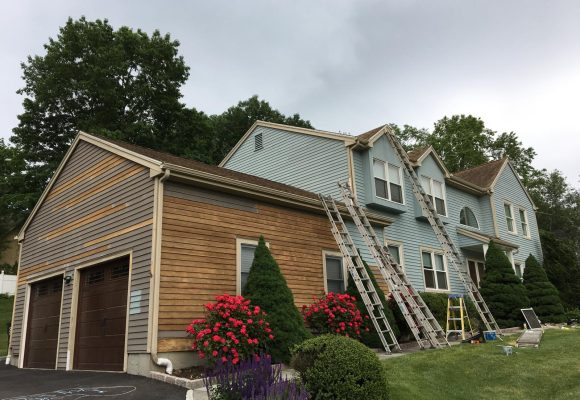
- Exterior paint, on the other hand, must withstand Connecticut’s harsh weather, from snowy winters to humid summers. It’s made with stronger resins and additives that protect against mold, fading, cracking, and peeling.
 
Choosing the wrong type of paint can lead to fast wear and expensive repairs.
 
2. Different Paint Formulas
 
- Interior Paint: Low or zero-VOC (volatile organic compounds) for safe indoor air quality
 
- Exterior Paint: Includes mildew-resistant additives and UV blockers for long-term protection
 
The finishes also vary — interiors often use eggshell, satin, or matte finishes, while exteriors require more durable sheens like semi-gloss or specially formulated flat finishes.
 
3. Preparation Techniques Are Not the Same
 
Interior prep focuses on:
 
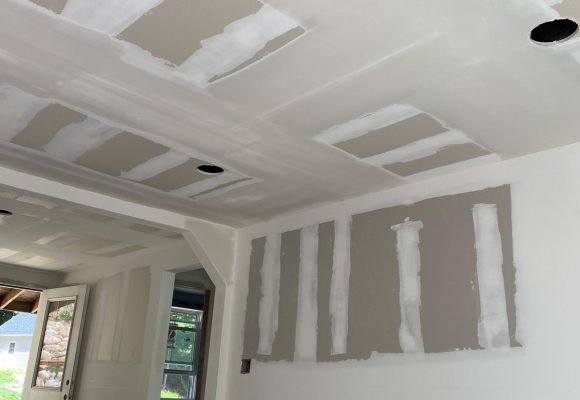
- Repairing drywall and sheetrock
 
- Sanding and priming
 
- Protecting furniture and floors
 
Exterior prep includes:
 
- Power washing
 
- Scraping old paint
 
- Repairing siding, wood, or trim
 
- Caulking gaps to seal moisture
 
At Yupangui Painting LLC, we customize the prep work to match the surface and conditions — whether it’s inside or outside.
 
4. The Purpose of Each Type of Painting
 
- Interior painting is mostly aesthetic — to refresh and beautify your space.
 
- Exterior painting is about protection first, appearance second. It defends your home from water damage, pests, and rot.
 
A great exterior paint job can extend the life of your home’s structure, while quality interior work can improve comfort and add value.
 
5. When to Schedule Each One in Connecticut
 
- Best time for exterior painting: Late spring to early fall, when temperatures are mild and dry
 
- Interior painting: Can be done year-round — perfect for winter upgrades!

 
 
WhatsApp Image 2025-11-10 at 12.53.57 PM

TOP SIGNS YOUR HOME NEEDS CARPENTRY REPAIR — AND HOW TO FIX IT RIGHT

Wood features give your home structure, beauty, and charm — but they can also suffer serious damage over time due to weather, moisture, pests, or simply aging. Many homeowners in Connecticut don't realize their property needs carpentry repair until it's too late — leading to bigger problems and expensive replacements.

 
At Yupangui Painting LLC, we specialize in residential carpentry repair, helping you spot damage early and fix it right.
 
Here are the top signs your home may need professional carpentry repair — and what you should do next.
 
1. Soft, Cracked, or Warped Wood
 
If you press on wooden trim, siding, or framing and it feels soft or spongey, that’s a red flag. Cracks, warping, or bubbling are also signs of moisture damage or rot.
 
Where to check: Window frames, door trim, decks, soffits, fascia boards.
 
2. Visible Termite or Insect Damage
 
Connecticut homes are no strangers to carpenter ants, termites, and wood-boring beetles. Small holes, sawdust piles, or hollow-sounding wood are classic signs of infestation.
 
Early repair can save your structure and avoid a costly rebuild.
 
3. Water Stains or Mold Around Wood
 
Water leaks often go unnoticed until the wood begins to stain, swell, or grow mold. Bathrooms, kitchens, and exterior siding are especially vulnerable.
 
Pro tip: Don’t paint over it — fix the carpentry first to avoid peeling or structural failure later.
 
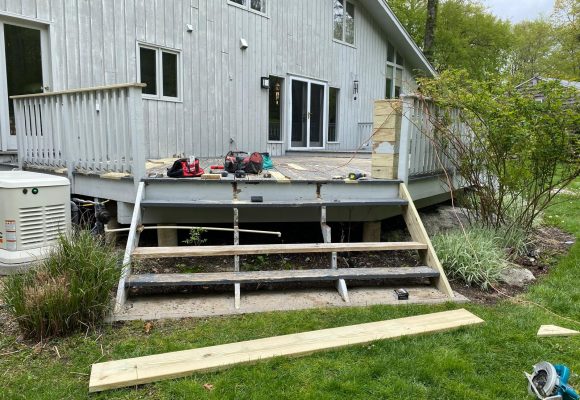
4. Loose or Rotted Deck Boards & Railings
 
Your deck or porch takes a beating from the weather. If the boards feel loose, spongy, or start pulling away from the frame, it’s time to repair or replace damaged sections.
 
Yupangui Painting LLC can reinforce your outdoor woodwork before staining or painting for longer life and safety.
 
5. Gaps in Trim, Moldings, or Baseboards
 
If your interior or exterior trim looks uneven or has visible gaps, it's often due to wood shrinkage, rot, or foundation shifting. These cosmetic issues can also lead to energy loss or pest entry points if left unaddressed.
 
 
WhatsApp Image 2025-11-10 at 12.55.17 PM

SHEETROCK REPAIR: THE FIRST STEP TO A FLAWLESS PAINT FINISH

You’ve picked the perfect color. You’ve scheduled your painting project. But there’s one crucial step you can’t skip if you want a flawless, smooth finish: repairing your sheetrock.

At Yupangui Painting LLC, we know that great painting starts with perfect surfaces. Whether it's a small dent or major damage, our team ensures your walls are professionally repaired and ready for the best possible result.

- What Is Drywall and Sheetrock?
 
Drywall (also known as sheetrock) is the standard material used for most interior walls and ceilings. It’s durable — but not invincible. Over time, it can develop cracks, holes, dents, and water damage that will show through paint if not properly repaired.
 
- Common Signs You Need Drywall or Sheetrock Repair
 
- Small holes from nails, screws, or wall mounts
 
- Water stains or bubbling paint from leaks
 
- Cracks near doors, windows, or corners
 
- Dents from furniture impact or daily wear
 
- Sound transmission issues between rooms
 
- Uneven or textured patches from previous repairs
 
 Painting over damaged drywall only hides the problem temporarily — and it won’t look smooth or last long.
 
- Our Drywall & Sheetrock Repair Process
 
At Yupangui Painting LLC, we provide professional wall repair as part of our full painting service:
 
- Inspection: We assess all surfaces and locate any imperfections.
 
- Repair: Holes and cracks are patched, taped, and sanded smooth.
 
- Replacement: If needed, we replace full drywall sections.
 
- Finishing: We prime repaired areas to ensure even paint absorption.
 
- Cleanup: Clean, dust-free work area — ready for painting!
 
- Why It Matters Before Painting
 
A quality paint job is only as good as the surface underneath. Painting over uneven or damaged drywall leads to:
 
- Visible imperfections
 
- Poor paint adhesion
 
- Peeling or cracking over time
 
- Wasted time and money on touch-ups
 
Smooth, repaired walls = long-lasting, professional results
 
WhatsApp Image 2025-11-10 at 12.59.59 PM